


Cad is Meaisín Vulcanizing ann? An Freagra Gearr
Is preas é meaisín vulcanizing a athraíonn cumaisc rubair neamhchóireáilte ina chuid críochnaithe láidir, leaisteach, teas-resistant trí theas rialaithe, brú agus am a chur i bhfeidhm. Spreagann an meaisín an t-imoibriú tras-nasctha taobh istigh den rubar, de ghnáth trí chórais leigheas sulfair nó sárocsaíd, agus is é an t-imoibriú sin a scarann leathán cumaisc in-chruthach ó tháirge rubair fíor. Má tá sé beartaithe agat boinn bróg, O-fáinní, rónta, píobáin, nó gléasanna frith-chreathadh a tháirgeadh, is é an meaisín vulcanizing croí do líne táirgeachta.
Smaoinigh air ar an mbealach seo: roimh vulcanization, iompraíonn rubar cosúil le marla bog; tar éis vulcanization, bíonn sé ina ábhar athléimneach a ionsúnn creathadh, sreabhán rónta, agus a mhaireann teas agus aimsir. Le linn an phróisis, coinnítear an chuid is mó de chomhdhúile arna leigheas ag sulfair ag 140-170 °C , córais sárocsaíd ag 160-200 °C , agus comhdhúile speisialtachta ar nós FKM agus silicone ag 170-250 °C . Déanfaidh meaisín nach féidir leis na fuinneoga seo a chothabháil páirteanna bog, greamaitheacha nó brittle a tháirgeadh is cuma cé chomh maith agus atá an cumaisc.
Tá an líne bun simplí: cinneann do mheaisín vulcanizing an toisí deiridh, cruas, sraith comhbhrú, agus marthanacht fadtéarmach de gach cuid a sheolann tú. Tá meascadh, muilleoireacht agus réamhfhoirmiú ann chun an chéim dheireanach seo a bheathú, mar sin faigh an meaisín ceart sula dtógfaidh tú an chuid eile den phróiseas timpeall air.
- Teocht: 140-250 °C ag brath ar an cumaisc agus a chóras leigheas.
- Brú: de ghnáth 15-40 MPa ar limistéar an chuid réamh-mheasta le linn cur.
- Am: ó chúpla nóiméad le haghaidh gaiscéid tanaí go 40-60 nóiméad le haghaidh bloic tiubh.
Conas a Oibríonn Vulcanization: Teas, Brú, agus Am
Éiríonn sé níos fusa an cheimic a thuiscint nuair a chuireann tú rubar i gcomparáid le babhla núdail tangled. I gcomhdhúile atá leigheasaithe le sulfair, briseann teas na fáinní sulfair oscailte agus cruthaíonn sé droichid idir slabhraí polaiméire NR, SBR, EPDM, nó NBR. Tógann córais sárocsaíde naisc dhíreacha carbóin-go-charbóin ina ionad sin. Is é an toradh ná gréasán tríthoiseach a thugann a chuid rebound, friotaíocht ceimiceach do rubar, agus a chumas a chruth a choinneáil faoi ualach seasta. Déanann luasairí leigheas agus gníomhaithe cosúil le ocsaíd since agus aigéad stéarach a rialú cé chomh tapa agus a fhoirmíonn an líonra sin, agus is é sin an fáth go bhfuil an t-oideas cumaisc chomh mór le socruithe an mheaisín.
Rialaíonn trí athróg rath: teocht, brú, agus am. Tiomáineann teocht an imoibriú ceimiceach; cuireann brú an t-aer amach agus cuireann sé an comhdhúil isteach i ngach cuas; socraíonn am cé chomh hiomlán agus a chríochnaíonn an t-imoibriú. Tá easpa neart ag rubar tearc-leasaithe agus ní bhíonn sé go maith ar ais; éiríonn rubar ró-leasaithe crua agus seans maith go scoilteadh.
Leanann am leigheas praiticiúil sean-riail urláir siopa thart ar 3-5 nóiméad in aghaidh an milliméadar de thiús rubair soladach ag teochtaí múnlaithe tipiciúla. Mar sin is féidir go mbeadh 40-60 nóiméad de dhíth ar bhloc feistithe turrainge 12 mm, agus leigheasann gasket 2 mm laistigh de 10 nóiméad. Teastaíonn téamh níos moille freisin le páirteanna níos tiús chun dromchlaí scorched agus ionaid neamhleasaithe a sheachaint.
| Modh Téamh | Raon Teochta Praiticiúil | Comhionannas tipiciúla | Is fearr a oireann do |
|---|---|---|---|
| Gaile | 120-180 °C | /-5 °C | Ailt tiubh, uathclaves |
| Ola te | Suas go dtí 250 °C | /-2 °C | Plátaí a dteastaíonn aonfhoirmeacht daingean |
| Cartús Leictreach | Suas go dtí 300 °C | /-3 °C le rialú PID | Pláitíní beaga, meaisíní insteallta |
Príomhchineálacha Meaisíní Vulcanúcháin
Ní féidir gach táirge rubair a leigheas ar an mbealach céanna. Léireoidh do chéimseata, toirt bhliantúil agus stíl mhúnla tú ceann de cheithre chineál meaisín.
Preas Curing Hiodrálacha (Múnlú Comhbhrú)
Capall oibre an tionscail rubair. Lódáiltear bán nó stiall neamhchóireáilte isteach i múnla oscailte, dúnann an platen faoi bhrú hiodrálacha, agus téann teas tríd an múnla isteach sa chomhdhúil. Déanann cófraí il-solas lae roinnt leibhéil mhúnla a chruachadh chun aschur a ardú, agus toisc go bhfuil múnlaí sách simplí, is é an cineál seo fós an chéad rogha le haghaidh pillíní, gaiscéid, boinn bróg, agus rónta ilfheidhme. Is iad an dá fhigiúr ceannaigh ríthábhachtach ná méid plátaí agus tonnáiste.
Preas Vulcanizing Fholúis
Cruthaíonn aer gafa blisters agus coirnéil gan líonadh, go háirithe i múnlaí le easnacha tanaí, cuais dhomhain, nó ionsáigh miotail. Fágann preas vulcanizing i bhfolús an seomra sula ndúnann an múnla go hiomlán, ag fáil réidh le formhór na lochtanna a bhaineann leis an aer. Rogha atá neamhdhíobhálach don oibreoir sa chatagóir seo ná a meaisín brú te bhfolús le imfhálú iomlán, aslonnú ríomhchláraithe, agus rialú teochta PID ar gach platen.
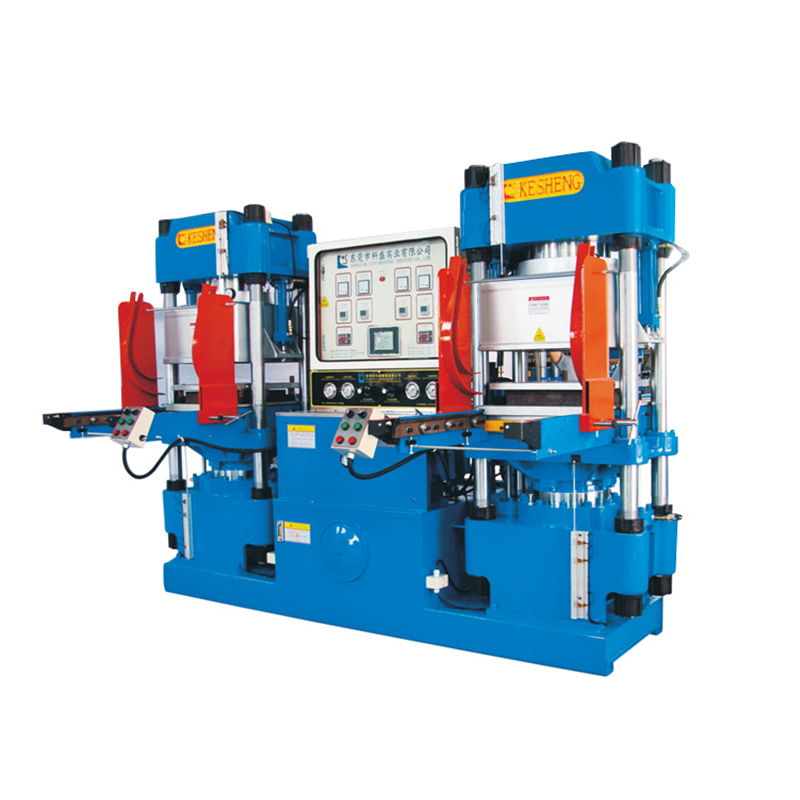 Déantóirí, Soláthraithe meaisín brú te Fholúis an Chustaim Is meaisín vulcanizing é an meaisín seo le haghaidh táirgí rubair agus plaisteacha éagsúla. Tá na feidhmeanna aige maidir le glasáil múnla uainithe, réamh-... Féach Táirge →
 Meaisín Mhúnlú Instealladh Rubair
Déanann meaisín insteallta an cumaisc a phlaistigh in aonad scriú nó plunger agus instealladh go díreach isteach i múnla dúnta faoi bhrú. Ní gá duit bearnaí a réamh-mheá a thuilleadh nó an múnla a oscailt chun iad a luchtú, rud a ghiorrú timthriallta agus a laghdaíonn splanc. Shineann meaisíní ingearacha le páirteanna miotail nasctha mar rónta ola agus spriongaí aeir; oireann meaisíní cothrománacha múnlaithe níos mó agus aschur níos airde. Is minic go bhfeiceann monaróirí rónta a aistríonn ó chomhbhrú go instealladh laghdú suntasach ar chostais saothair ar na codanna céanna. Ar an ábhar sin, ár meaisín insteallta rubair ingearach nó cothrománach Tá sé tógtha le hathrú tapa ábhair agus rialú lámhaigh in-athdhéanta san áireamh.
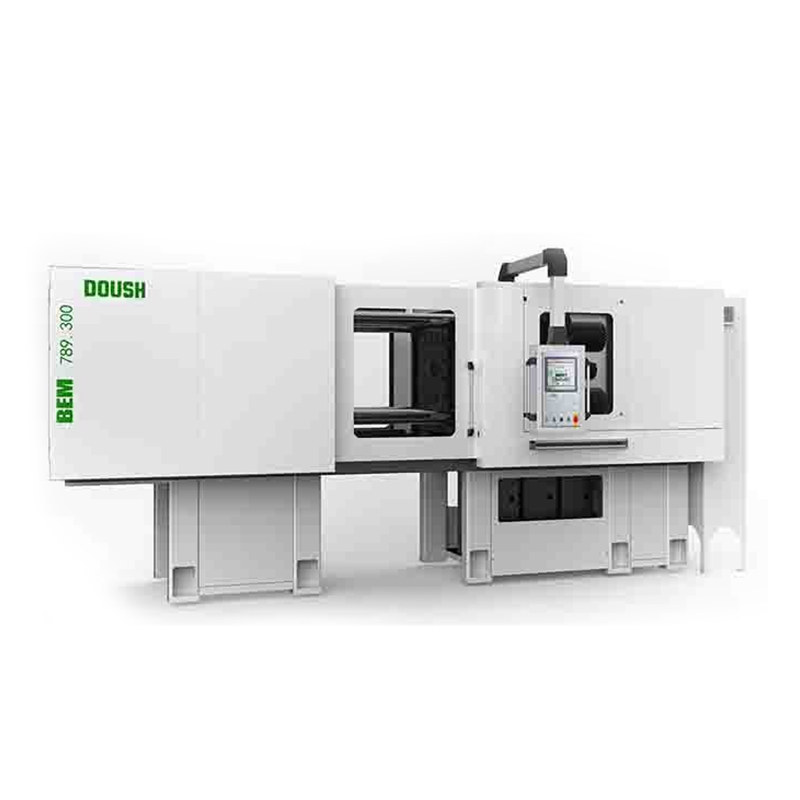 Déantóirí, Soláthraithe Meaisín Ingearach Ingearach/Cothrománach saincheaptha instealladh rubair Is teicneolaíocht í chun táirgí rubair-mhúnlaithe a tháirgeadh. Úsáidtear é go príomha i dtáirgeadh táirgí múnlaithe rubair, mar shampla e... Féach Táirge →
 Uathclaves agus Línte Leanúnacha Curing
Ní féidir le próifílí fada, píobáin ná cáblaí a bheith oiriúnach idir pláitíní cothroma. Déanann na táirgí seo leigheas taobh istigh d'autoclaves a líonadh le gaile ardbhrú, nó ar línte leanúnacha a chomhcheanglaíonn easbhrúite le téamh micreathonn, aer te, nó folctha salann. Sna córais seo, déantar luas an táirgthe a chinneadh ag fad an chrios téimh agus cruinneas a rialú teochta seachas ag tonnáiste an phreasa.
| Cineál Meaisín | Táirgí tipiciúla | Tréithe Rothaíochta | Príomhbhuntáiste |
|---|---|---|---|
| Brúigh Comhbhrú | Gaiscéid, pillíní, boinn bróg | Miontuairiscí in aghaidh an timthrialla, dírithe ar bhaisc | Costas múnla íseal, solúbthacht |
| Preas Fholúis | Rónta beachtais, iatáin bhanna | Beagán níos faide mar gheall ar aslonnú | Níos lú lochtanna aeir, dlús comhsheasmhach |
| Meaisín Instealladh | O-fáinní, nascóirí, páirteanna ard-toirte | Lámhaigh tapa agus timthriall leigheas | Atrialltacht, níos lú splanc, saothair íseal |
| Uathchlábh nó Líne Leanúnach | Píobáin, cáblaí, próifílí | Leanúnach nó baisce de réir ualach | Faid fhada leigheas go haonfhoirmeach |
Conas an Meaisín Vulcanizing Ceart a Roghnú
Tosaíonn roghnú preas ón gcuid críochnaithe, ní ó chatalóg táirgí. Freagair cúig cheist roimh duit luachan a iarraidh.
- Cad é an t-achar réamh-mheasta de do chuid is mó? Is ionann tonnáiste preas agus limistéar réamh-mheasta arna iolrú faoi bhrú múnlaithe. Clúdaíonn cuid 400 mm x 400 mm 0.16 m²; ag 25 MPa caithfidh sé 4.0 MN, thart ar 408 tonna. Má chuirtear corrlach 10-15 faoin gcéad leis an bpreas 450-500 tonna.
- Cad é an teocht leigheas uasta a theastaíonn do chumaisc? Má iarrann an bhileog sonraí níos mó ná 200 °C, seachain téamh gaile ísealbhrú agus roghnaigh cartús leictreach nó téamh ola the ina ionad sin.
- Cé mhéad cuas a iompróidh an múnla? Nochtann múnlaí ilchuas aon teocht plátáilte míchothrom láithreach, mar sin iarr léamh aonfhoirmeachta teochta ag teocht oibre, ní hamháin ag díomhaoin.
- An bhfuil iatáin i do chuid páirteanna nó an dteastaíonn folús uathu? Is beagnach i gcónaí a bhaineann rónta nasctha, rónta ola, agus páirteanna aer-earrach leas as meaisíní folúis nó insteallta.
- Cad é do mhéid táirgeachta in aghaidh an tsift? Coinníonn múnlú comhbhrúite costais uirlisí íseal; cruthaíonn múnlú insteallta coigilteas ama timthriallta agus saothair nuair a fhásann toirteanna.
Ná stop ag an bpraghas luachan. Buiséad le haghaidh rith tástála le do chomhdhúil féin, agus deimhnigh conas a thomhaiseann an soláthróir teocht pláitíní agus comhthreomharán roimh é a sheoladh. Tá níos mó ná 15 bliain caite againn ag tógáil meascóirí, muilte, réamhfhoirmeoirí, agus cófraí leigheas, agus déantar tástáil ar gach aonad a chuirimid ar fáil le haghaidh aonfhoirmeacht teochta agus cobhsaíocht brú roimh phacáil. Mura bhfuil tú cinnte cén chatagóir a oireann do do tháirgí, siúil trínár Íoslódáil catalóg iomlán innealra agus pléigh do mhúnlaí lenár bhfoireann theicniúil roimh ordú.
| Paraiméadar | Cén Fáth a bhfuil Tábhacht ag baint leis | Cad atá le Fíorú |
|---|---|---|
| Méid Pláta | Sainmhíníonn sé toisí múnla uasta | Déan comparáid idir do mhúnla is mó móide imréiteach |
| Tonnáiste Rátáilte | Cinneann an tiús flash agus dlús na bpáirteanna | Ríomh ón achar réamh-mheasta; tuarascáil tástála a iarraidh |
| Raon Teochta | Ní mór fuinneog leigheas do chumaisc a chlúdach | Deimhnigh an uasteorainn leis an gcorrlach téimh |
| Aonfhoirmeacht Teocht | Bíonn tionchar aige ar chomhsheasmhacht an timthrialla agus ar an ráta diúltaithe | Iarr tomhas 9 bpointe ag teocht oibre |
| Solas an lae agus Stróc | Cinneann airde múnla agus spás scartála | Tomhais i gcoinne do mhúnla is tiubh |
| Córas Rialaithe | Stórálann oidis leigheas agus cosnaíonn sé cáilíocht | Cuardaigh HMI le hamadóirí, aláraim, agus logáil sonraí |
| Crua-earraí Sábháilteachta | Cosc ar ghortuithe le linn luchtú agus scartáil | Seiceáil rialuithe dhá láimhe, gardaí, agus cuirtíní solais |
Áit a nÚsáidtear Meaisíní Vulcánaithe: Samplaí Tionscail
Tá meaisíní vulcanizing le feiceáil i ngach tionscal earraí rubair. Is é an snáithe coitianta ná an gá atá le elasticity, feidhmíocht séalaithe, agus friotaíocht teasa nó aimsir faoi choinníollacha seirbhíse fíor.
- Boinn bróg rubair agus coisbheart spóirt: Déanann monarchana bróg leigheasanna as boinn rubair i gcoinne midsoles EVA, agus coinníonn meaisíní il-stáisiúin an líne ag rith. Úsáideann go leor ár meaisín múnlaithe preas aonair rubair go hiomlán uathoibríoch
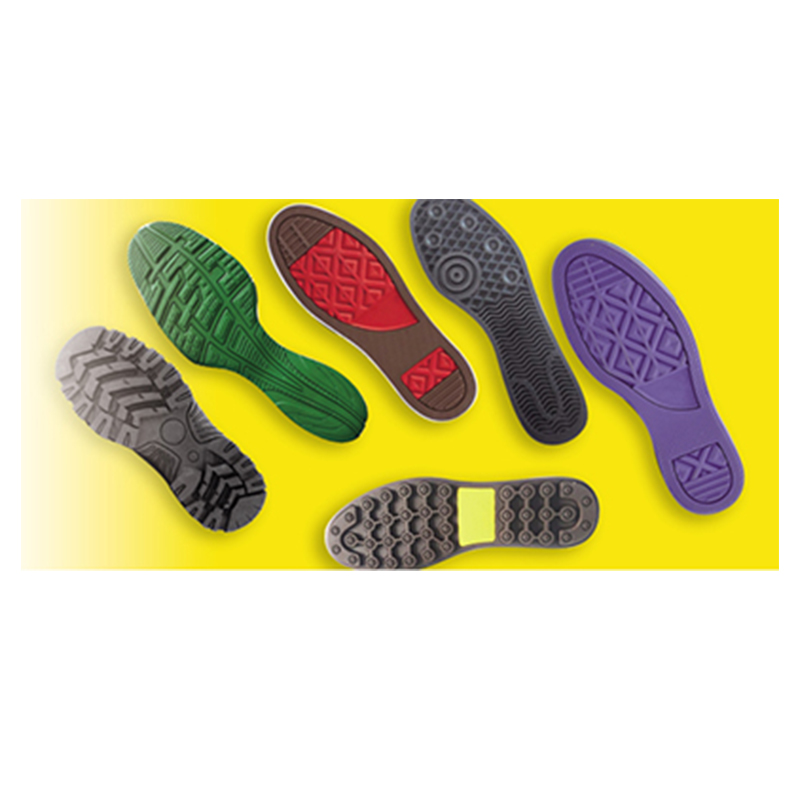 Saincheaptha Boinn rubair go hiomlán uathoibríoch brúigh meaisín mhúnlú Déantóirí, Soláthar Meaisín Foirmithe Go hiomlán Uathoibríoch Rubair Aonair Hot Press Cur síos ar an Táirge1. Is féidir leis an múnla sleamhnáin uathoibríoch agus an struchtúr casadh múnla dearg ... Féach Táirge → a leigheas boinn éagsúla in aghaidh an timthrialla le dáileadh brú fiú.
 - O-fáinní agus gaiscéid: tá na codanna beaga seo ag brath ar rialú teochta daingean agus dúnadh múnla beacht; folúsbhrúnna agus meaisíní insteallta is mó atá sa chatagóir seo.
- Rónta ola agus spriongaí aeir: luchtaítear iatáin miotail, déantar rubair a instealladh nó déantar comhbhrú a mhúnlú timpeall orthu, agus foirmíonn an banna le linn an timthrialla leigheas céanna.
- Píobáin, próifílí, agus insliú cábla: ionad línte leanúnacha nó uathchlábhaigh cófraí cothrom.
- Feistis agus rollóirí frith-chreathadh: Éilíonn rannóga tiubh timthriallta fada agus grádáin teochta cúramach.
- Earraí spóirt ar nós liathróidí leadóige: téann croí na liathróide trí leigheas teasa roimh chéim an fhillteáin bhraith, agus tá línte iomlána ann chun an próiseas sin a láimhseáil.
Tar éis curing, iompraíonn an chuid is mó de na codanna múnlaithe splanc fós ag an líne scaradh. Glanann scamhadh de láimh nó tumbling i seomra deflashing crióigineach an chuid gan damáiste a dhéanamh don dromchla séala. Déan an chéim chríochnaithe seo a phleanáil mar aon le roghnú an phreasa, toisc go mbraitheann an toirt flash ar dhearadh múnla agus ar chruinneas an phreasa.
Sábháilteacht agus Cothabháil: Rudaí Ba Chóir do Gach Bainisteoir Táirgthe a bheith ar eolas
Comhcheanglaíonn meaisín vulcanizing teas ard, fórsa hiodrálacha trom, agus pláitíní móra ag gluaiseacht. Nuair a bhíonn meas air, seachadann sé blianta de sheirbhís saor ó thrioblóid; nuair a dhéantar neamhaird de, is féidir leis oibreoirí a ghortú agus táirgeadh a mhilleadh in aon athrú amháin.
Bunúsanna sábháilteachta do gach preaslíne
- Suiteáil cnaipí oibríochta dhá láimhe nó cuirtíní solais ionas nach féidir leis an bpreas a dhúnadh agus oibreoir ag síneadh isteach sa mhúnla.
- Bain úsáid as nósanna imeachta frithdhúnadh/tagout sula nglanann aon duine pláitíní nó sula n-athróidh sé múnlaí.
- Cuir píobáin hiodrálacha in ionad an chéad chomhartha caitheamh. Is féidir le scaird ola mhín a sceitheann faoi bhrú dul isteach sa chraiceann agus teastaíonn aire leighis láithreach.
- Caith lámhainní teas-dhíonacha ceadaithe agus cosaint aghaidhe nuair a bhíonn bearnaí á luchtú agus nuair a bhain tú na codanna leasaithe.
- Coinnigh an limistéar múnla saor ó uirlisí agus scraps cumaisc, agus ná déan lasc sábháilteachta a dhíchumasú riamh chun cúpla soicind a shábháil.
Rithim chothabhála phraiticiúil
- Seiceáil comhthreomhaireacht platen go míosúil le tomhas diailithe agus coinnigh laistigh de 0.05 mm in aghaidh an mhéadair ; cruthaíonn pláitíní warped tiús chuid míchothrom.
- Tomhais teocht pláitíní thar naoi bpointe gach trí mhí; ag súil le diall laistigh /-3 °C ag an teocht socraithe.
- Athsholáthar ola hiodrálach agus scagairí de réir an sceidil, go hiondúil gach 2,000 uaireanta oibriúcháin , agus iniúchadh a dhéanamh le haghaidh uisce nó salachar sa taiscumar.
- Braiteoirí teochta a chalabrú gach sé mhí; caitheann braiteoir sreafa níos mó ábhar ná an chuid is mó de na miondealuithe meicniúla.
- Iniúchadh a dhéanamh ar cartúis téimh, píopaí ola, agus rónta gaile le linn an tseicliosta tosaithe sealaithe.
- Déan rialtáin dhá-láimhe, cuirtíní solais, agus stadanna éigeandála a thástáil go seachtainiúil agus coinnigh taifead scríofa.
Lean an rithim seo agus ba chóir go mbeadh preas dea-thógtha ar siúl 15-20 bliain . Is é ár dtaithí, teipeann roimh am ar ais go dtí ceannach ar phraghas amháin, gan bacadh le seiceáil aonfhoirmeachta teochta, nó ligean díghrádú ola hiodrálach. Inis do do sholáthraí faoi do phatrún cumaisc, múnla, agus shift, agus gheobhaidh tú meaisín a chomhlíonann do sprioc cáilíochta cúig bliana ón suiteáil.
Ceisteanna Coitianta Maidir le Meaisíní Vulcanizing
Cad é an difríocht idir preas vulcanizing agus meaisín múnlaithe insteallta rubair?
Déanann preas vulcanizing, rud a chiallaíonn an preas comhbhrú clasaiceach, leigheas ar bhán réamh-chur taobh istigh de mhúnla oscailte. Déanann meaisín insteallta plaisteacht ar an gcomhdhúil agus instealladh isteach i múnla dúnta é ar dtús, ansin leigheasann sé é. Tugann an t-instealladh timthriallta níos giorra, níos lú flash, agus líonadh cuas níos fearr, ach cosnaíonn a mhúnlaí níos mó agus tá an socrú níos casta.
Cén teocht agus brú ba cheart do mheaisín vulcanizing a bhaint amach?
Déanann an chuid is mó de chomhdhúile rubair leigheas idir 140 agus 200 °C; Féadfaidh suas le 250 °C a bheith ag teastáil ó ghráid FKM agus silicone. Is é an brú múnlaithe tipiciúil ar limistéar na coda réamh-mheasta 15-40 MPa , le codanna níos tiús nó níos casta a éilíonn tonnáiste níos airde.
Cé chomh fada is gá rubair a vulcanize i bpreas?
Is é an riail an ordóg 3-5 nóiméad in aghaidh an milliméadar de thiús soladach, arna choigeartú le haghaidh cuar leigheas an chumaisc. Féadfaidh gasket tanaí leigheas i 4-8 nóiméad, agus is féidir le mount tiubh a reáchtáil 40-60 nóiméad. Deimhnigh i gcónaí le tástáil rheometer leigheas do cumaisc ar leith.
Cén fáth ar chóir dom preas vulcanizing i bhfolús a úsáid?
Baineann bhfolús aer as an gcuas múnla roimh dhúnadh iomlán. Ciallaíonn sé sin níos lú blisters, líonadh cúinne níos fearr, agus dlús níos comhsheasmhaí, rud atá tábhachtach do gaiscéid, iatáin bhanna, agus páirteanna le céimseata casta.
An féidir le meaisín amháin comhdhúile rubair éagsúla a vulcanize?
Sea, chomh fada agus a chlúdaíonn teocht uasta an mheaisín fuinneog leigheas gach cumaisc. Coinnigh ábhair atá leigheasaithe le sulfair agus sárocsaíd scartha tríd an múnla a ghlanadh idir baisceanna, agus aistrigh ó phreas amháin go ceann eile seachas ábhair neamh-chomhoiriúnacha a reáchtáil ar an lá céanna gan glanadh críochnúil.
Cad a ghiorrú saol meaisín vulcanizing?
Tá na culprits is gnách ag feidhmiú níos faide ná an tonnáiste rátáilte, ag rith teochtaí pláitíní míchothrom gan cheartú, gan aird a thabhairt ar shláinte ola hiodrálach, agus gan bacadh le seiceálacha comhthreomhara. Is é gnáthamh cothabhála sceidealta bunaithe ar uaireanta oibriúcháin, ní míonna féilire, an t-árachas is saoire is féidir leat a cheannach.

